


Biography sketch
1973년 일본 지바현 출생
1993년 치과기공사 면허 취득
1994년 International Dental Academy 졸업
1995년 International Dental Academy 근무
1999년 Willi Geller Dental Lab 근무
2001년 Oral Design 멤버 가입
2004년 Oral Design KEN 개설
1973. Born in Chiba ,japan
1993. Obtained a dental technician license
1994. Graduated from International Dental Academy
1995. Worked at International Dental Academy
1999. Worked at Willi Geller dentl labo
2001. Become a member of oral design
2004. oral design KEN opened
Lecture Content
오팔 효과(Opal Effect)의 중요성
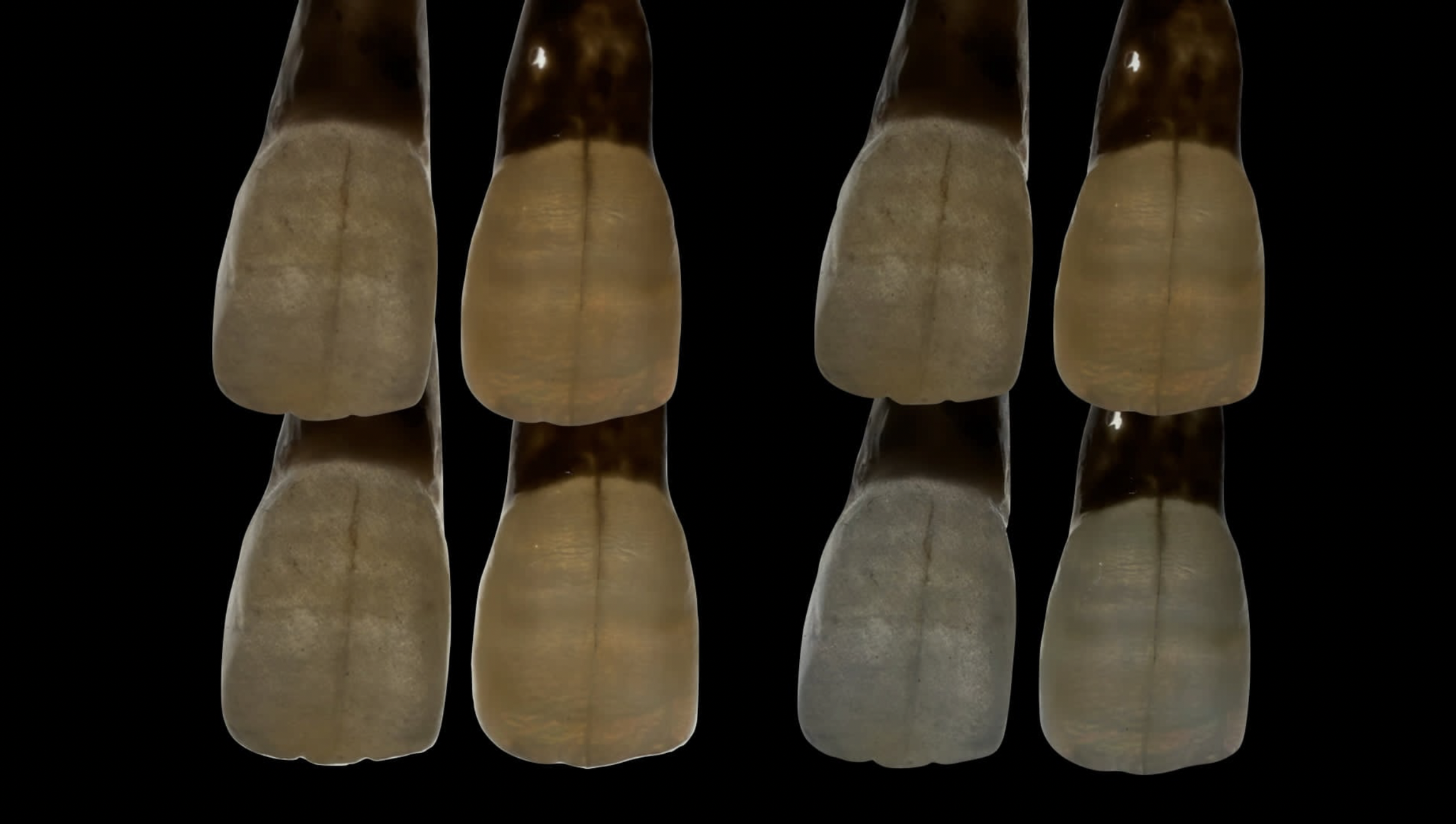
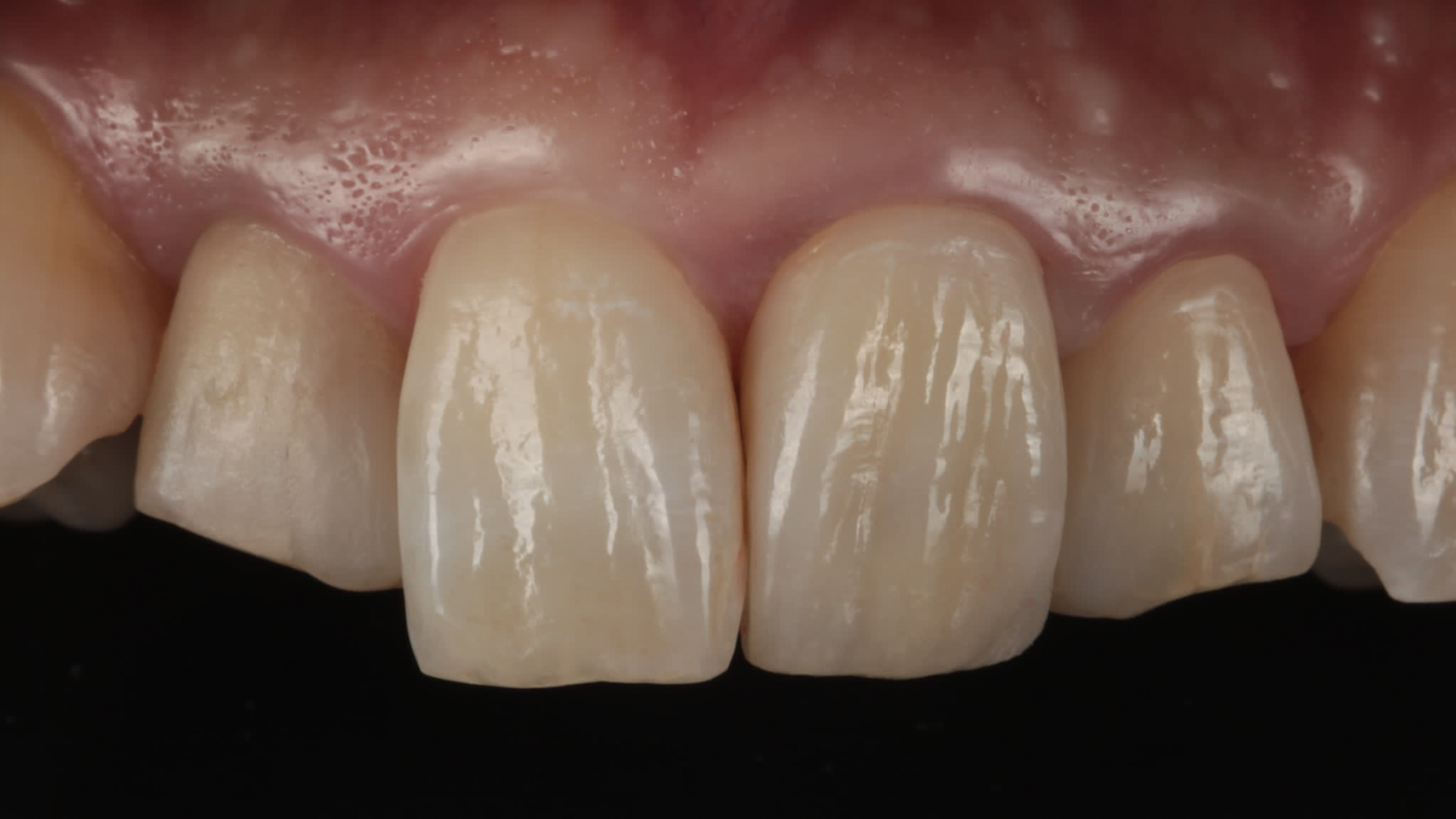
잘 알려진 바와 같이, 자연 치아의 법랑질은 매우 아름다운 오팔 효과(opalescence)를 띠고 있습니다. 이 효과는 마모되지 않은 전치부 절단연에서 가장 뚜렷하게 나타나지만, 법랑질 표면 전체에서도 확인할 수 있습니다. 오팔 효과의 유무에 따른 가장 큰 차이는 빛의 굴절률에 있습니다. 우리는 다양한 광원 아래에서 생활하기 때문에, 자연 치아와 유사한 굴절률을 구현하는 것은 매우 중요한 요소입니다. 반사광, 투과광, 빛의 확산 및 빛의 거동 특성을 자연 치아와 유사하게 재현함으로써, 일상생활 속에서 더욱 조화로운 색조를 지닌 수복물을 제작할 수 있게 됩니다.
야마모토 마코토(Makoto Yamamoto) 박사는 1984년과 1989년에 오팔 효과에 관한 논문을 발표했습니다. 30년도 더 전에 이미 이러한 통찰에 도달했다는 사실에 놀라움을 금할 수 없습니다. 이 논문들을 읽어보시기를 강력히 추천합니다. Creation 제품군에 OT+와 Geller Mix가 새롭게 추가되었습니다. 이 제품들을 가장 효과적으로 활용하는 방법에 대해 여러분과 함께 알아보고자 합니다.
The importance of the Opal Effect
As is well known, the enamel of natural teeth possesses a remarkably beautiful opalescence. This effect is most clearly visible on the incisal edges of anterior teeth, which show no wear, but it can be confirmed throughout the entire enamel surface. The primary difference based on the presence or absence of the opalescence effect lies in the refractive index of light. Since we live our lives under various light sources, matching the refractive index to that of natural teeth is a critically important factor. By approximating reflected light, transmitted light, light diffusion, and the way light behaves, it becomes possible to create restorations with a more harmonious color tone for everyday life.
Dr. Makoto Yamamoto published papers on the opalescence effect in 1984 and 1989. I cannot hide my astonishment that such insights were reached over 30 years ago. I highly recommend reading these papers. OT+ and Geller Mix have been newly added to Creation. I would like to explore with you how to use these most effectively.







Lecture
DAY2 08:30 – 16:50
⚫︎08:30~09:30
⚫︎09:40~10:30
⚫︎10:30~11:20
⚫︎11:20~12:10